
The hidden cost of “quick edits”: time, risk, and rework
Rush edits feel cheap, but rework, risk, and last-minute QA raise real costs. Use a simple rework model and habits to ship faster.
“Quick edits” are rarely quick once work hits the system
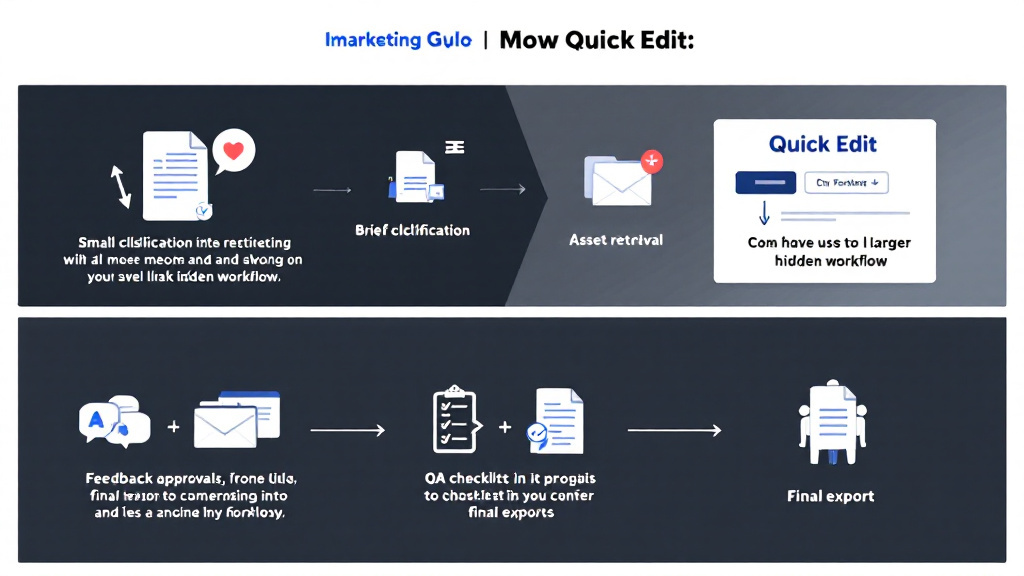
Marketing teams ask for “just a quick edit” because the visible task looks small: trim a clip, swap a headline, resize a graphic. But in creative-ops and marketing-operations, the edit is only the last mile. The real time sink is everything that happens before and after: clarifying the ask, locating the right assets, aligning stakeholders, and ensuring the output is publish-ready.
The hidden cost shows up in four predictable places. First, unclear briefs create interpretation gaps (“make it punchier”) that require back-and-forth. Second, asset hunting (logos, fonts, source files, approvals) turns a 15-minute change into an hour of searching. Third, feedback sprawl across email, Slack, docs, and DMs breaks version control—classic project-management drag. Finally, last-minute QA (links, specs, captions, safe areas, export settings) introduces risk right when timelines are tight. The result: rushed decisions, inconsistent quality, and a growing pile of “small” fixes that quietly steal focus from planned work.
A simple model to estimate the true cost of rework (and why it surprises teams)
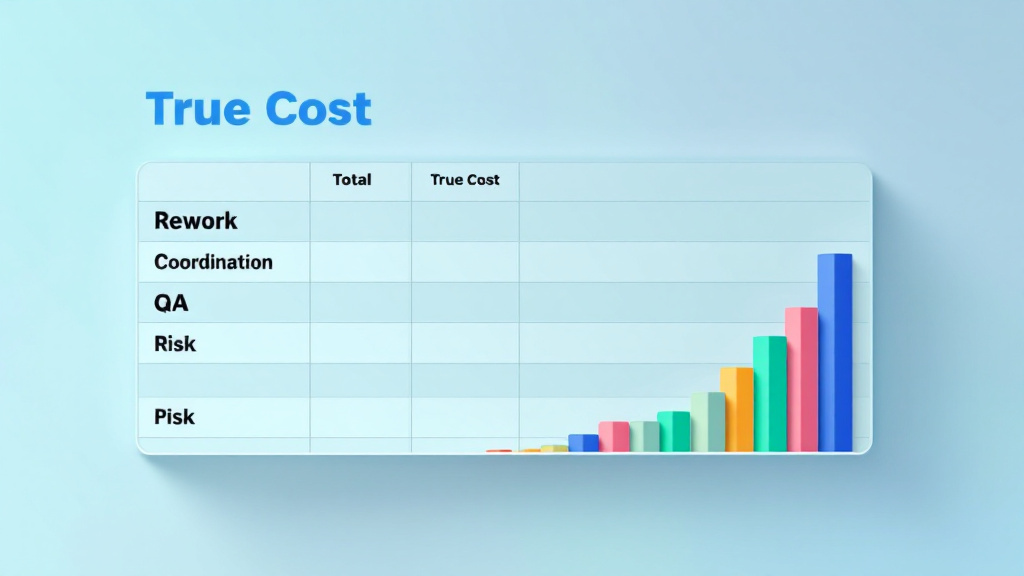
To make “quick edits” measurable, treat them as rework plus coordination. A practical model:
True Cost = (Rework Time + Coordination Time + QA Time) × Blended Rate + Risk Cost
- Rework Time: the actual editing/design/writing change
- Coordination Time: clarifications, chasing assets, status updates, version cleanup
- QA Time: checks for specs, brand, accessibility, platform requirements
- Risk Cost: expected cost of mistakes (Probability of error × Impact)
Example: a “30-minute” short-form video tweak becomes 0.5h rework + 0.75h coordination (finding the right footage, clarifying the CTA, syncing approvals) + 0.25h QA (captions, safe areas, exports) = 1.5 hours. At a $120/hr blended content-production rate, that’s $180—before risk. If there’s a 20% chance of a platform-spec mistake causing a missed posting window worth $500 in lost spend or momentum, add $100 expected risk. Suddenly the “quick edit” is ~$280, and the workflow is the culprit—not the creative.
Operational habits that reduce turnaround risk without sacrificing quality

The fastest teams aren’t the ones who type or cut footage the quickest—they’re the ones who prevent avoidable loops. Start with a structured intake: goals, audience, platform specs, brand rules, examples, and all required assets in one place. This single move eliminates most “what did you mean?” threads and keeps project-management clean.
Next, constrain feedback. Use one review surface with timestamped or annotated comments (video review links, Figma comments, doc suggestions) and define who is allowed to approve. That’s creative-ops discipline: fewer channels, fewer versions, and feedback that’s actionable. Pair it with clear revision rounds (e.g., one structured revision pass) so the team ships instead of endlessly polishing.
Finally, standardize QA with a checklist tied to output types: aspect ratios, file naming, caption formatting, alt text, brand-safe color/typography, link validation, and export presets. These marketing-operations habits turn “quick edits” into predictable delivery—reducing rework, protecting timelines, and making content-production reliable even under pressure.